It’s a topic that is often discussed but none more so each time the resignation window looms. However, the shortages of teachers and quality candidates in the education sector is something that schools and MATs must deal with on a daily basis. Today, I’ve outlined some of the key education trends for 2024 and highlighted some of the proactive things education specialists and leaders can do to be ahead of the game.
Teacher shortages
One of the perennial challenges in education is the recruitment and retention of talented teachers. As we move through 2024 at a pace, our school leaders must be proactive in addressing this issue.
If I could advise any organisation on how to improve their application rates it would be to look at these 3 key areas:
- Most teachers will head to one or 2 key advertising spaces to look for other roles. They may also look at what is available locally that may offer a better work/life balance, hoping to avoid an extensive commute. Either way, a candidate will almost certainly check out your website. Candidates often ‘rule out’ organisations based on their own research and your website is a window into your organisation, its culture, it’s values and its direction of travel. Not paying attention to this key space will only add to your recruitment dilemmas.
- Next, a candidate will check out the job description – so get this right! Don’t tell a candidate a million things that they may do once a year. Give them a true assessment of the day to day. Don’t base a job spec on what the last person did either, use this as an opportunity to create space for a comprehensive overview of what is required and essential. Add in desirable skills or attributes thus leaving room for growth and development.
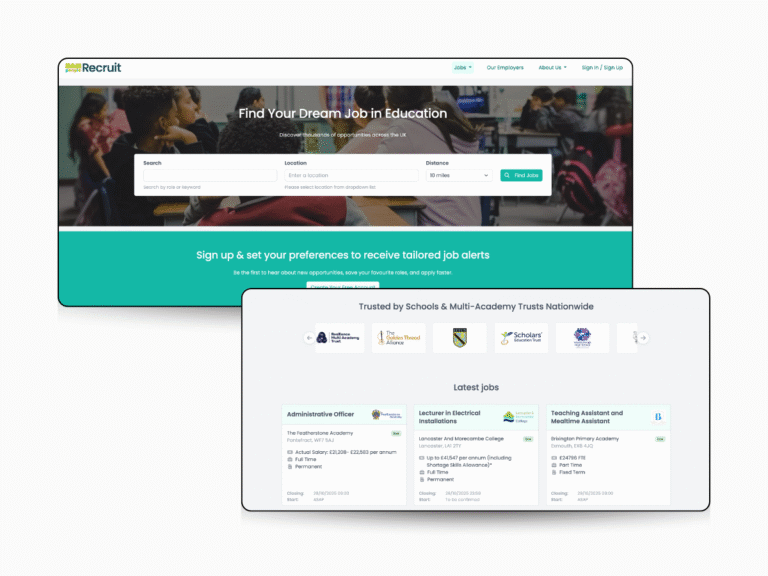
- Make it easy to apply: Application forms are out. A good Applicant Tracking System, offering a great candidate journey, is essential.
The rise of technology
Listen, after 25 years recruiting, I now work in the software space so of course I’m going to mention technology. The increasing role that technology plays in our lives presents both a challenge and an opportunity for the education sector.
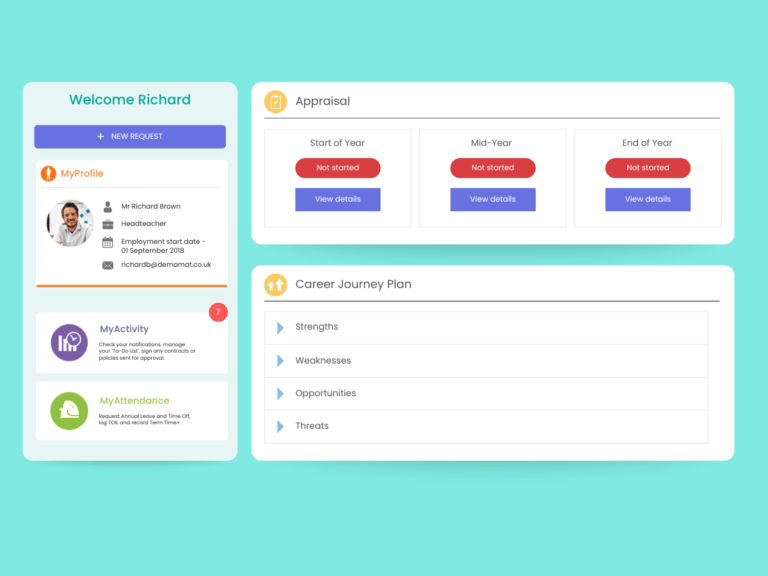
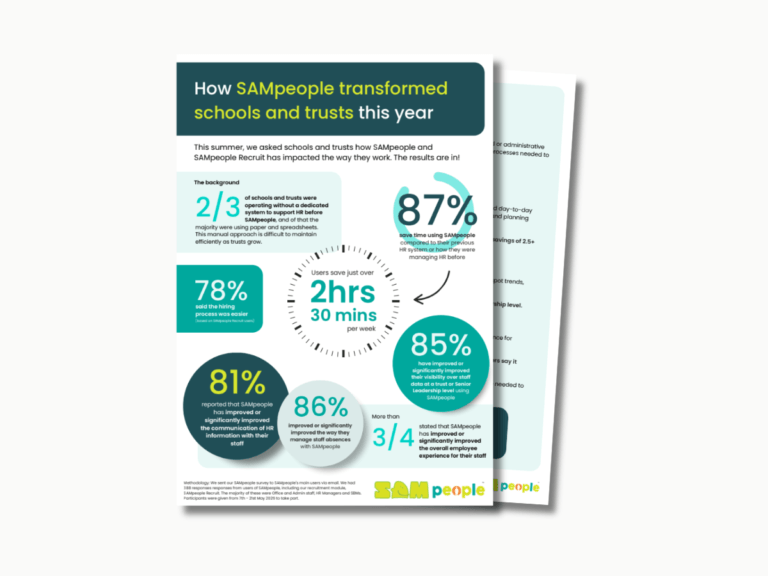
School leaders must navigate the, often-complex, integration of technology into their schools and MATs across all areas. So, it’s important to provide professional development programmes that focus on technology integration. This can empower teachers and leaders to embrace the digital era, ultimately enhancing the learning experience for students and help create support functions that work more effectively, saving valuable time and funding.
Properly integrated systems can eliminate time usually spent on process-driven tasks and used more effectively in more challenging areas.
A changing political landscape
The cat is now out of the bag! The election date has been set and July will mark the dawn of a new day. If polls are to be believed, it’s highly likely that there will be a new government in place following the election.
While the current Prime Minister Rishi Sunak, has focused his plans for education on the launch of new ‘T-Levels’, which will take the place of existing 16+ qualifications, a political change could lead to significant upheaval within the education sector, and school leaders should monitor the landscape accordingly.
More change is likely to follow as any new government will set out new budgets and a new agenda. After weathering the Covid storm, we have learned over recent years that flexibility and adaptability are two key attributes for anyone operating within the education sector, and there will probably be further change in the coming months which will put these skills to the test.
Mental health
Wellbeing has been a hot topic in recent years, and that’s not likely to change for the coming year, with a study by Headspace revealing that 93% of teaching staff reported feeling stressed in their roles at least once a week. It is hardly surprising as teachers and support specialists on the front line are exposed to the other challenges being faced not just in this country, but around the globe, including the cost-of-living crisis, climate issues and the legacy of the coronavirus pandemic.
This makes recruitment and attrition even more challenging. To tackle these issues, school leaders should look to support the development of their current staff and provide them with the skills required to help pupils that need it. Teachers must also be encouraged and supported to prioritise their own self-care and seek help when needed. Creating a more cohesive balance between professional responsibilities and personal wellbeing is essential for sustained success in the education field.
Looking ahead
The year ahead presents several major opportunities for school leaders however, there are challenges ahead, notably poor staff retention and overall mental wellbeing concerns across the sector.
The debate goes on however as MATs have become more commercial spaces and as competition for the best talent grows, it’s important to take stock and look at your current processes and individual challenges and work towards improvement.
We may not be able resolve the teacher shortage or numbers entering the profession today, but the key is to focus on the individual areas you can influence and changes that will work for you.
How can Fusion Education People Solutions help your school, college or Trust?
Our Safer Recruitment and KCSiE compliant software, FACE-Ed, can support you from vacancy creation to employee onboarding with automation and streamlined processes. With education recruitment known to be extremely admin heavy, FACE-Ed can support you to focus your time on what really matters.
If you are interested in learning more about how FACE-Ed can support you and its direct integration into our HR system, SAMpeople, request a demo today.
Sources:
Headspace, Fifth Annual Workforce Attitudes Towards Mental Health Report