A recent study by XpertHR highlighted that 90% of organisations provide occupational sick pay from day one of an absence. In over half, sick pay increases with length of service. The majority of schemes start from day 1 but some employees are now looking at applying a qualifying period of 6 months.
The study shows that 53% award full pay for a period of four weeks or less. However, in education, occupational sick pay schemes tend to be more generous than that of the commercial sector and can see full pay granted for 3 months or more.
Within schools occupational sick pay can be expensive, especially for long-term absences. Most schools will follow the Burgundy Book for teachers sick pay entitlements. For reference, you can access the Burgundy Book by clicking here.
Burgundy Book Occupational Sick Pay
| During the first year of service: | Full pay for 25 working days and, after completing four calendar months’ service, half pay for 50 working days. |
| During the second year of service: | Full pay for 50 working days and half pay for 50 working days. |
| During the third year of service: | Full pay for 75 working days and half pay for 75 working days. |
| During the fourth and successive years: | Full pay for 100 working days and half pay for 100 working days |
Academies and Trusts may still follow the Burgundy book for Occupational Sick Pay but they are entitled to decide upon their own terms and conditions. These should be made clear to staff in their contractual terms and conditions and/or absence policy.
Occupational Sick Pay is not often withheld. The study shows the main reasons, in cases where it had been, were failure to correctly notify the absence or provide medical evidence to the employer. Interestingly, 37% of employers refused to pay Occupational Sick Pay if the employee refused or did not attend Occupational Health appointments or Return to Work meetings.
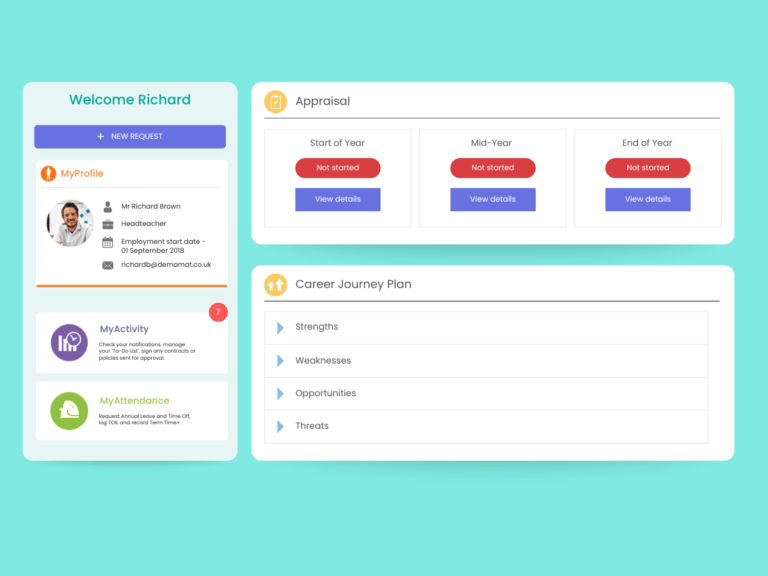
Whatever you decide to pay, you need to ensure you are following your terms and conditions and that these are clearly outlined to the employee. SAM allows you to upload policy documents to the Employee Portal so that staff have access to the information at any point. You can also use SAM to work out how much absence is costing you in lost salaries and supply costs by employee, department or school if you are a Multi-Academy trust.
Utilising effective absence management tools is proven to reduce the length of time staff are absent and therefore reduce the cost of absence to your organisation. Just holding Return to Work meetings quickly helped one school reduce absence by 60%. Using SAM to track fit note expiry dates or logging occupational health referrals and when reports are due can also help to reduce time and cost.
If you don’t already benefit from SAM already, get in touch to arrange a free demo and see how you can start to reduce absence costs.
Source: https://www.xperthr.co.uk/survey-analysis/occupational-sick-pay-2019-xperthr-survey/164329/