Effective staff absence management doesn’t automatically happen but the school, academy or Trust approach, sets the scene in terms of the importance of the process. For employees, absence is inevitable and will, at some point during their employment be absent due to illness. Most absences last a day or so and it is essential that you have a policy in place for managing these absences and that this is clearly communicated to all staff. There are many different ways to approach management of short-term absences, following some key principles to making it work, we’ve included some top tips below.
Here are our top tips to managing short-term absences:
- Make sure staff report their absence correctly providing as much information as possible and agreeing the next date/time they should make contact (usually the following morning)
- Always hold a return-to-work meeting and complete the return-to-work proforma, make sure to ask yourself if an occupational health referral is needed
- If staff have a GP fit note outlining recommended adjustments, you must consider these but ultimately if the adjustments can’t be made during the period of time specified by the GP, then the employee remains absent from work until they are fit to return and an Occupational Health Referral is recommended at this stage
- Determine with the employee any reasonable adjustments needed. Ensure those adjustments deemed reasonable are implemented and a justification provided for those which cannot be applied
- The absence policy should include trigger points where employees who hit a trigger are invited to attend a meeting with management to discuss the level of absence. Make sure that employees are aware that they can choose to be accompanied by a union representative or work colleague
- Monitoring rounds should be applied consistently and attendance targets need to be set at each stage of the absence management process
- Remember you can take positive action to increase or decrease an absence target for an employee with a disability
- Warnings should be issued in line with the organisation’s absence procedure making sure the employee is clear about the implications of further absence outside the agreed target
- Be consistent in your approach to all employees and document everything
Furthermore, significant cost savings can be made through effective absence management, which may include setting targets and ‘triggers’ as mentioned above. Trigger points tell managers when they should be taking action about staff absence. Triggers can also be used for recurrent short-term absence. In these situations, the triggers alert employers that they may need to work with a certain employee on finding ways to improve attendance.
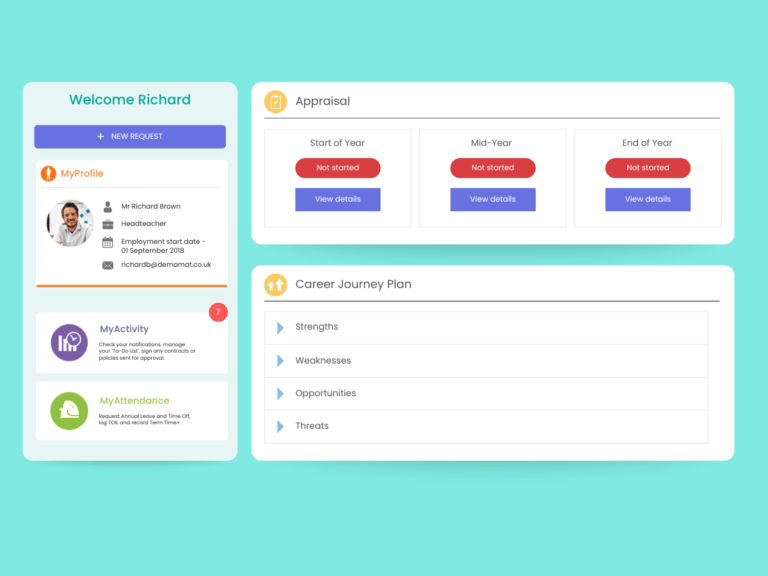
If you don’t already benefit from SAM, SAM is online innovative absence management software that automates processes, reduces admin time and produces reports in seconds for leadership teams. SAM also ensures you are following a fair and consistent process in terms of absence management, documenting an evidence trail should it be needed. If you would like to book a demo of SAM, please click here.
If you need help managing short-term absence, get in touch with us on 01924 827869 or click here.