We have often been asked what the different models of isolation are and how they differ. The following short guide, gives you simple explanations for each type of isolation and how you can support a member of staff following these models.
Self-Isolation
Self-isolation is when someone is experiencing symptoms of COVID-19. They are advised by the Government to self-isolate at home. If they live alone, they must self-isolate for 7 days.
If someone lives in a household and is the first to have symptoms, they must self-isolate for 7 days. Everyone else in their household must self-isolate for 14 days.
However: If anyone else in the household starts displaying symptoms, the person with the new symptoms must self-isolate for 7 days. This is regardless of where they are in the 14-day isolation period.
You can find out more about what this means for your employees and how you can support employees who are self-isolating on this link.
Self-Shielding
The Government have advised that those who are vulnerable to severe complications if they catch COVID-19 to shield. They shield themselves from coming into contact with coronavirus by minimising all interaction with others. People falling into this extremely vulnerable group include: List
People in this category are strongly advised to stay at home at all times and avoid any face-to-face contact for a period of at least 12 weeks from the day they receive an NHS letter (or email/text) advising them that they fall into this category. Please note that this period of time could change.
Some letters are still being sent out and you are advised if you have not received one and think you should have, to contact your GP or clinician. Further guidance can be found by clicking here.
Social Distancing
Social distancing measures are the steps the Government has asked everyone to take to reduce social interaction between people. This is hoped to help reduce the spread of coronavirus (COVID-19).
These include:
- Avoiding contact with someone who is displaying symptoms of coronavirus (COVID-19). These symptoms include high temperature and/or a new and continuous cough.
- Avoiding non-essential use of public transport when possible.
- Working from home, where possible. You should support employees to do this.
- Avoiding large and small gatherings in public spaces, noting that pubs, restaurants, leisure centres and similar venues are currently shut as infections spread easily in closed spaces where people gather together.
- Avoiding gatherings with friends and family. Keep in touch using remote technology such as phone, internet, and social media.
- Using telephone or online services to contact your GP or other essential services.
- Everyone should be trying to follow these measures as much as is practicable.
For more information on social distancing click here.
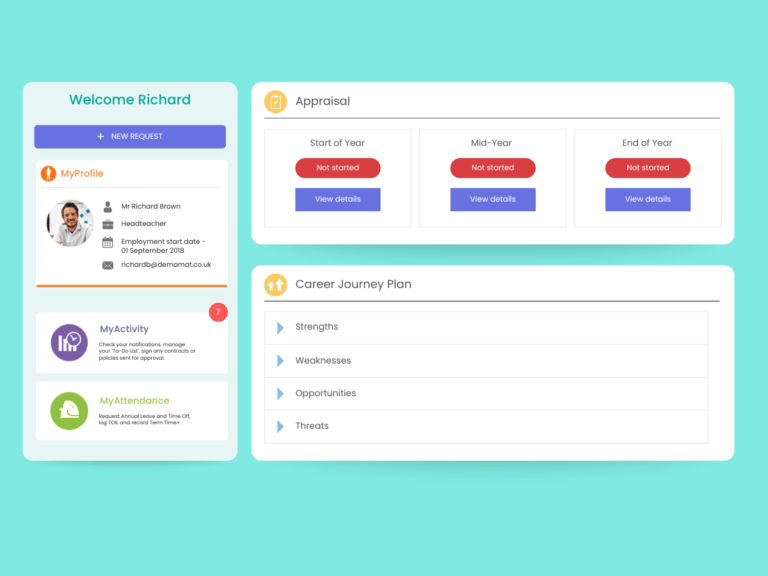
SAM is currently helping many schools, academies and Trusts to track absence due to COVID-19 and other means. As SAM is online software it can be accessed from any location making it easier for your team to work from home. If you would like to know how to log COVID-19 absences, please get in touch. If you would like to know more about SAM, sign up for one our webinars or request a personalised online demo.
Resources:
https://www.gov.uk/government/publications/full-guidance-on-staying-at-home-and-away-from-others