You spend a lot of your time at work. If you and your colleagues aren’t happy there, it can have a spiralling effect on your mental health and wellbeing, even outside of work. Dreading the week ahead on a Sunday evening shouldn’t be part of your weekly routine. So how can we ensure employees and colleagues are supported and content at work?
According to the CIPD Health and Wellbeing at Work survey in 2022, nearly one in five organisations aren’t currently doing anything to improve employee health and wellbeing. Not prioritising employee wellbeing can have significant impacts on other areas such as employee retention, productivity and increased absence leading to placing more workload on other employees. This can start a vicious cycle of continued stress.
Looking forward, the report positively suggests that “nearly one in ten (9%) respondents expected their organisation’s health and wellbeing budget to increase significantly over the next 12 months” with another 32% voting that they feel it will increase slightly*.
So, what can we do to support employees working in education?
- Analysing the employee lifecycle: The health and wellbeing needs of employees can vary with age. Stages including pregnancy, menopause and periods of illness are all parts of life, and can affect an employee’s ability to work or work at their usual level of performance. Ensuring you have a variety of support networks and policies is vital to supporting a diverse workforce long term, as well as improving employee retention, so consider the employee lifecycle in your health and wellbeing strategy.
- Host regular catch ups with employees: This can help to give you an insight into anything they may be struggling with or any support they may be requiring. Employees can be quiet when it comes to asking for support, so ensure you understand your employee lifecycle and get to know individual members of your team personally. Creating an open and understanding culture makes a world of difference to making your employees feel comfortable to speak up. Support such as risk assessments and phased returns are essential when supporting employees who are absent to successfully come back into the workplace.
- Be prepared for unexpected events affecting employee wellbeing: Employees may suddenly need time off for an unexpected health concern, family bereavement, or other significant unexpected life events. You must ensure you have a policy in place for checking in with these employees, providing support and keeping in touch ready for their return to work. You should have a policy for flexible working, which can support employees with personal and family commitments.
- Offer an Employee Assistance Programme (EAP): An EAP can be offered as part of your employee benefits. These can provide support when needed such as medical support, counselling, and advice with dedicated specialists that your employees may not always have access to in your education establishment. The team at FusionHR offer EAPs, you can speak to our team at any point to find out more.
- Provide training for senior leaders: Mental health and wellbeing courses and training can help your senior leadership team to recognise and understand health conditions further and be more proactive in providing support straight away.
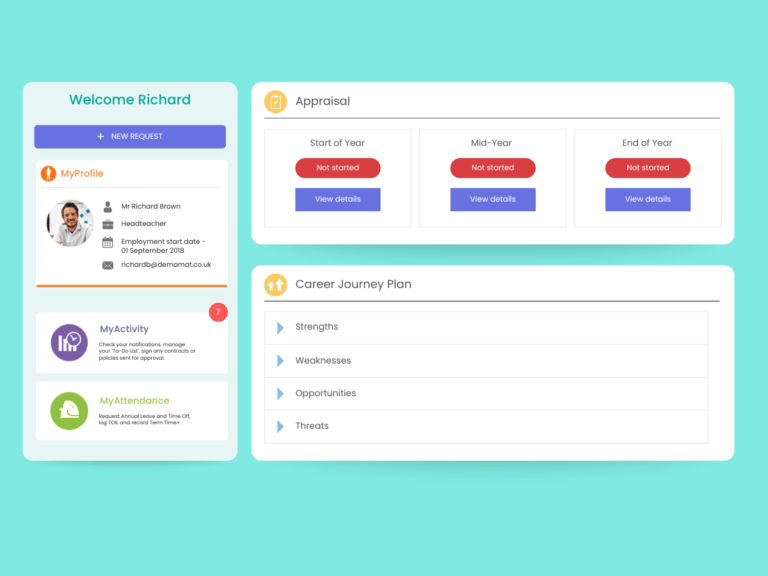
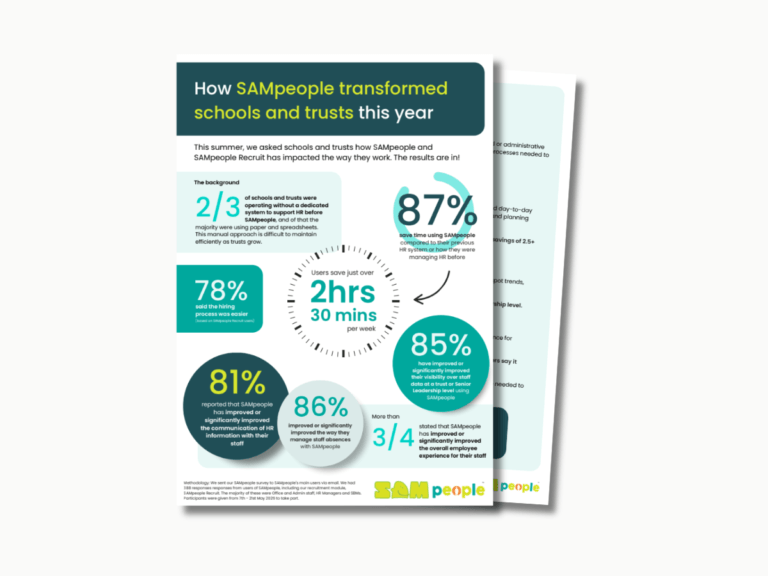
Did you know our staff absence management software, SAM, can also provide a fair and consistent absence management process for getting employees back to work quicker. SAM has an employee portal where they can log their own absence and see how many days off they have had and if they have hit any triggers. This visibility can put the onus back on the employee and SAM has helped schools, colleges, and Trusts to reduce their absence costs by an average of 40%**.
With SAM’s handy reminder and logging process, you won’t miss return to work meetings ensuring employees are properly managed back into work. You can log fit notes and their expiry dates to ensure you are efficiently tracking employees off work. To see how SAM can work alongside your health and wellbeing strategy, request a demo with our software teams.
This inspiration for this article came from: CIPD Health and Wellbeing at Work: Guidance for People Professionals.
*Source: CIPD Health and Wellbeing at Work 2022: Survey Report
**Average reduction in absence days of 40% taken from Autumn and Spring term results across 10 schools who have effectively used SAM since Sept 2015