Managing sickness absence is a topic that many organisations struggle with and often need advice on. This short blog should hopefully help you understand best practice for dealing with and preventing sickness absence in the workplace.
The reason for absence will impact which course of action is best to take. Common procedures during sickness absence can include return to work meetings, welfare meetings, absence review meetings, referrals to occupational health and disciplinary procedures. Keeping regular contact with employees during their absence is crucial for all processes.
Top 3 common sickness absence queries and how to deal with these:
How should we handle an ongoing disciplinary process when an employee is then signed off with stress? When the disciplinary process may be responsible for them being signed off.
The stress of the employee is unlikely to go away until the disciplinary process is complete. There are adjustments that you can offer the employee to continue with the process and to minimise stress levels. These adjustments can include attending the meetings virtually and allowing additional breaks during the meeting. As a last resort, you may decide to hold the meeting in the employee’s absence.
At which point during an employee’s absence shall we request a GP/fit note?
If an employee is absent due to sickness for 7 calendar days or less (including weekends), they do not need a fit note. This is called ‘self-certifying’ their sick leave. They should still be paid the amount of sick pay that’s in their contract. However, if the employee reaches a period of sickness absence for longer than 7 calendar days (no matter how many days they work each week), then they will require a fit note from a registered healthcare professional to receive statutory sick pay.
How should we deal with short-term absence during an employees probationary period?
In this situation, you should follow your absence management policy as you would usually do with all employees. If the employee has been employed for under 2 years, you may decide to terminate the contract under ‘short service dismissal’. If you were to terminate the employment contract, you would need to ensure that the reason for absence is not covered by the Equality Act 2010.
How to prevent sickness in the workplace:
- Keep your sickness absence policies up to date so that employees know what is expected of them and the processes that are followed
- Encourage a sensible work-life balance
- Improve health and safety within the workplace
- Pay attention to stress levels of employees
If you would like further advice regarding managing sickness absence in the workplace, please contact us 01924 827869 or leave a message for us here and we will get back to you.
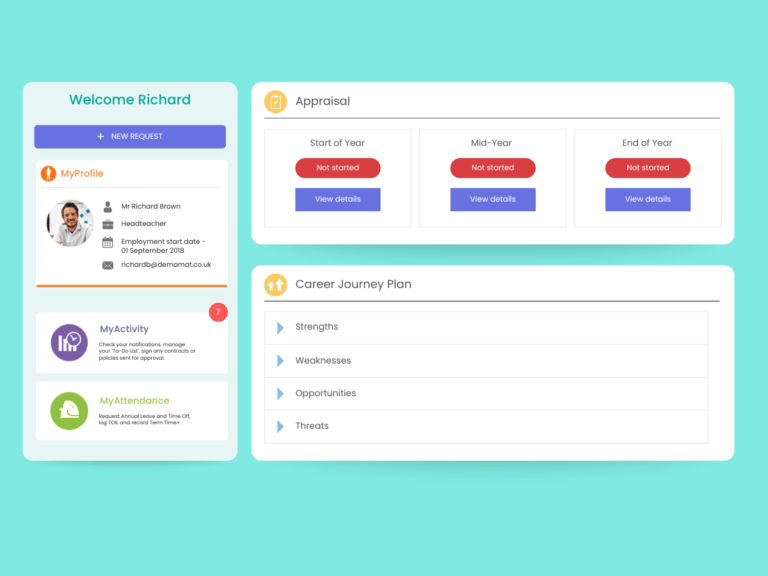
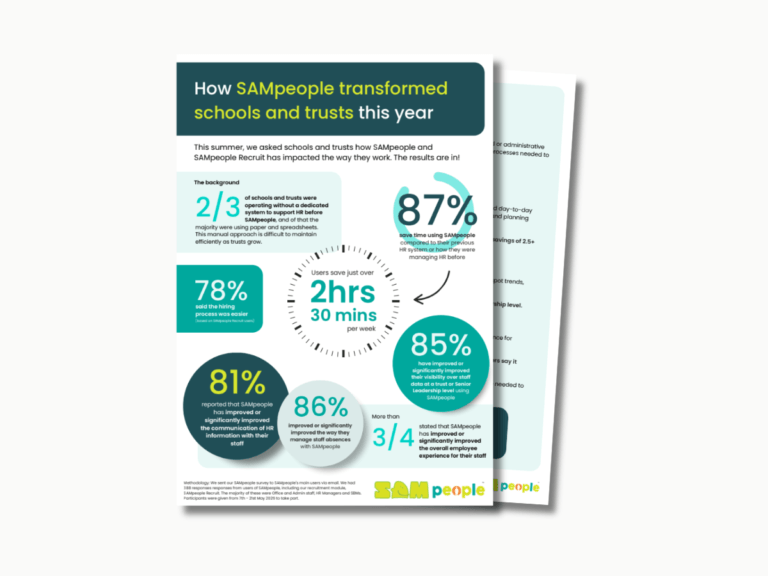
Did you know that under our Fusion Education People Solutions umbrella, we offer Staff Absence Management software, SAM, bespoke to education. SAM can provide a consistent and fair absence process to support getting your employees back to work quicker, reducing absence costs by an average of 40%! To learn more about SAM, visit the website and request a demo.