The CIPD published their latest Health and Wellbeing at Work report last month. The report focused heavily on the last two years and how HR professionals and managers have played a central role in responding to the people challenges raised by the pandemic.
The affects of COVID 19 were seen in the statistics with only 3% of organisations not suffering any COVID-related absences. 67% said COVID was in their top three causes of absence over the last year. Even more shocking is the number of employees that were surveyed that had experienced or are experiencing long COVID. This amounted to nearly half, 46%. 66% also said they were extremely or moderately concerned about the impact of the pandemic on employees’ mental health.
Over this last year, employers were seen to be taking a more holistic approach to wellbeing offering support appropriate across many life stages such as caring responsibilities, pregnancy loss and chronic health conditions. Support for people working at home had increased with 72%. To reduce absence, most organisations are using a combination of deterrence methods such as triggers and support methods such as counselling.
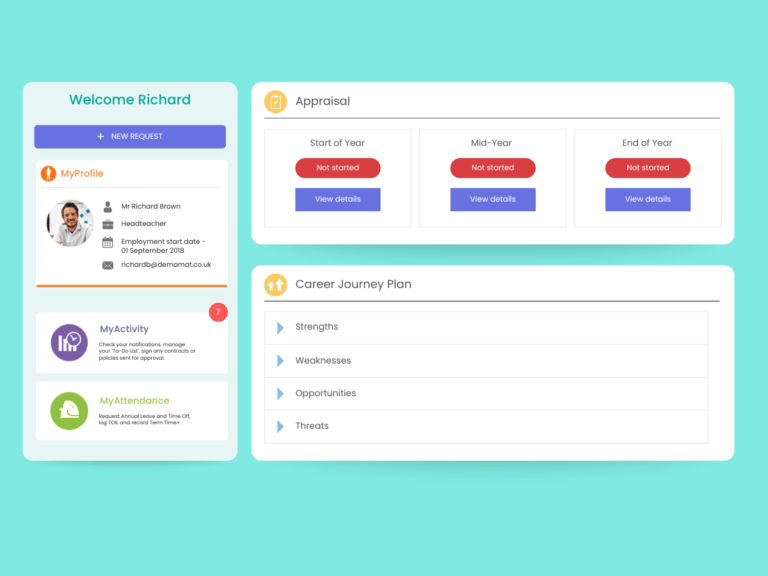
As SAM highlights anyone who hits a trigger, we see clients being able to act more quickly, provide the necessary support and therefore reduce absence.
Focus on wellbeing had slipped slightly with 70% saying it was on senior leaders’ agendas compared with 75% last year. However, just over half of the organisations surveyed said they take a strategic approach to wellbeing and those that do take a strategic approach were more likely to report positive reactions to the activity. So the learning point is to have a strategic plan, to follow it and to measure it.
The benefits most often seen were a healthier and more inclusive culture, better work–life balance and better employee morale and engagement.
53% of the public sector that were surveyed have reviewed/improved policies to support mental health in the last year. 43% of overall members allowed gradual returns to help wellbeing, whilst 40% improved return-to-work processes. We know with SAM clients, that when return to work processes are efficient, absence reduces. When asked if current policies support men’s health issues or menopause transition over 40% said not at all. This is something our HR team highlighted the need for in a recent blog.
There was a strong indication of the need for training in this report. Only 38% were confident enough to have sensitive discussions and only 29% said they were confident in spotting mental ill health. 40% didn’t provide managers with short-term absence training, whilst 35% didn’t get support for long-term absence. With management style being one of the highest causes of stress at work along with workloads, many will be revisiting how they approach wellbeing and what training is needed to support their approach.
If you need help with reviewing policies or providing short-term absence management, stress management or holding difficult conversations training, then please contact our sister company FusionHR who will be happy to help.
If you would like to see more about how SAM can help you identify triggers, track wellbeing initiative improvement and reduce absence, then book onto our next webinar or book an individual demo at a time to suit you.
You can access the full CIPD report here.