Our energy is partly controlled by our blood sugar levels and our blood sugar levels are affected by what we eat and how active we are. Our daily blood sugar levels will fluctuate whatever we do but ideally they will stay within the “Normal Limits”. The problem lies when our blood sugar or glucose levels rise above or drop below these levels.
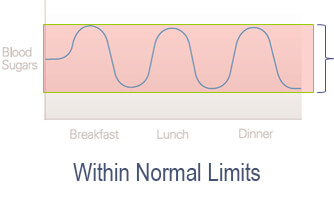
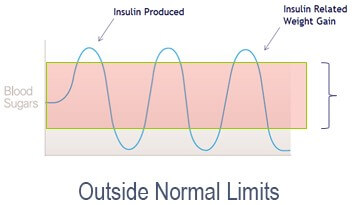
Depending on the type of food you eat will determine whether your glucose levels rise and fall gradually or rapidly. For example if you were to eat a bowl or porridge for breakfast your glucose levels will rise gradually and fall gradually resulting in a more sustainable energy level. Compare this to a bowl of sugary cereal: your levels will rise rapidly thus forcing the pancreas to produce insulin which in turn drops the glucose level too quickly, leaving you feeling tired and craving something sweet or caffeinated.
The difference between the two breakfasts? Porridge is classified as a complex carbohydrate, meaning it takes longer to be broken down and turned into energy. Whereas the sugary cereal is a simple carbohydrate and will be broken down quickly and it’s energy used almost instantly.
So, the answer to having more energy is to make better food and drink choices. Take a look at your daily diet and try to make some healthy swaps. Here is a table of common swaps to give you an idea and get you started…
| Simple (Quick Fix) | Complex (All Day Evergy) |
| Corn Flakes | Bran Flakes or Porridge |
| White Bread | Brown Bread |
| White Rice | Brown Rice |
| Chocolate Biscuits | Oat Cakes |
| Tea & Coffee | Fruit & Herbal Tea |
| Soft Drinks | Water |
| White Potatoes | Sweet Potatoes |
| Fruit Smoothy | Eat Your Fruit |
To ask us about wellbeing for employees please get in touch on 01924 907319.
This blog has been provided for us by our Wellbeing Coach, Andy Romero-Birkbeck. If you would like more information about Andy’s work please get in touch.